 Mac's Dove Hunts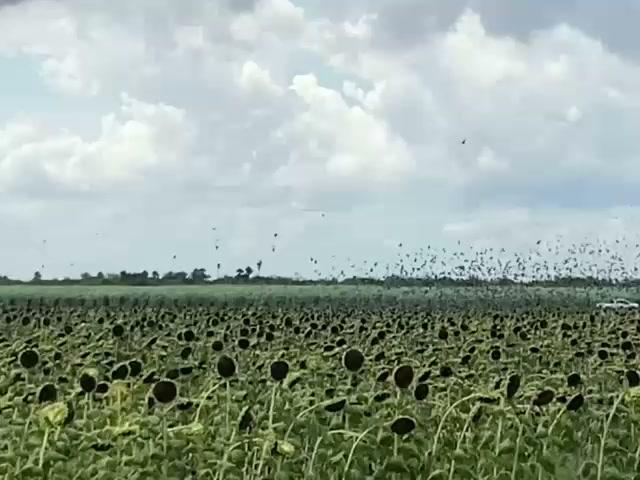
Why sunflowers?
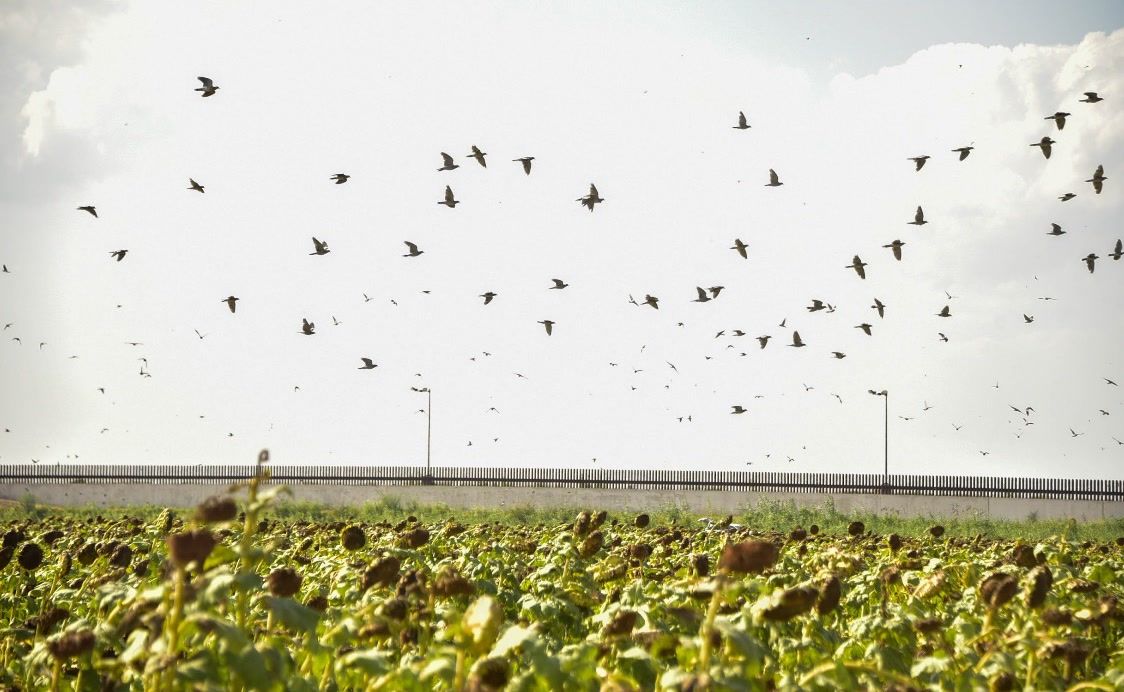
Nothing pulls dove like a sunflower field hitting maturity. The seeds are high-fat fuel that birds seek out daily, the standing stalks give hunters cover, and a field managed on the right schedule — planted in stages, shredded in strips as the season approaches — keeps fresh seed on bare ground exactly when the birds need it.
That's farming, not luck. Our fields are planted and worked months before the opener so that when September 1 arrives, the doves are already trained to them.
What is a flight line, and why does it decide your hunt?
Dove are creatures of routine: off the roost at first light, out to feed, back to water and loaf, out again in the evening. The routes they fly between those stops are flight lines — and a field under an active line gets birds all day, while a nearly identical field a mile off the line sits empty.
We scout every day during the season and set hunters up where the birds are already going. You set up under an active flight line instead of guessing — that's the whole advantage of hunting managed ground.
Why does acreage and pressure control matter?
Shoot the same field every day and the birds will find somewhere else to eat by the weekend. With more than 500 acres of managed fields in the Mercedes and Donna area, we rotate hunts so there's always fresh, rested ground under active flight lines.
We also cap the number of hunters on each field. Room to roam and never overcrowded isn't a slogan — spacing keeps swings safe, keeps birds working the field longer, and keeps the shooting honest for everyone on it.
Ready to see it for yourself? Book a hunt or check the 2026 season dates.