 Mac's Dove Hunts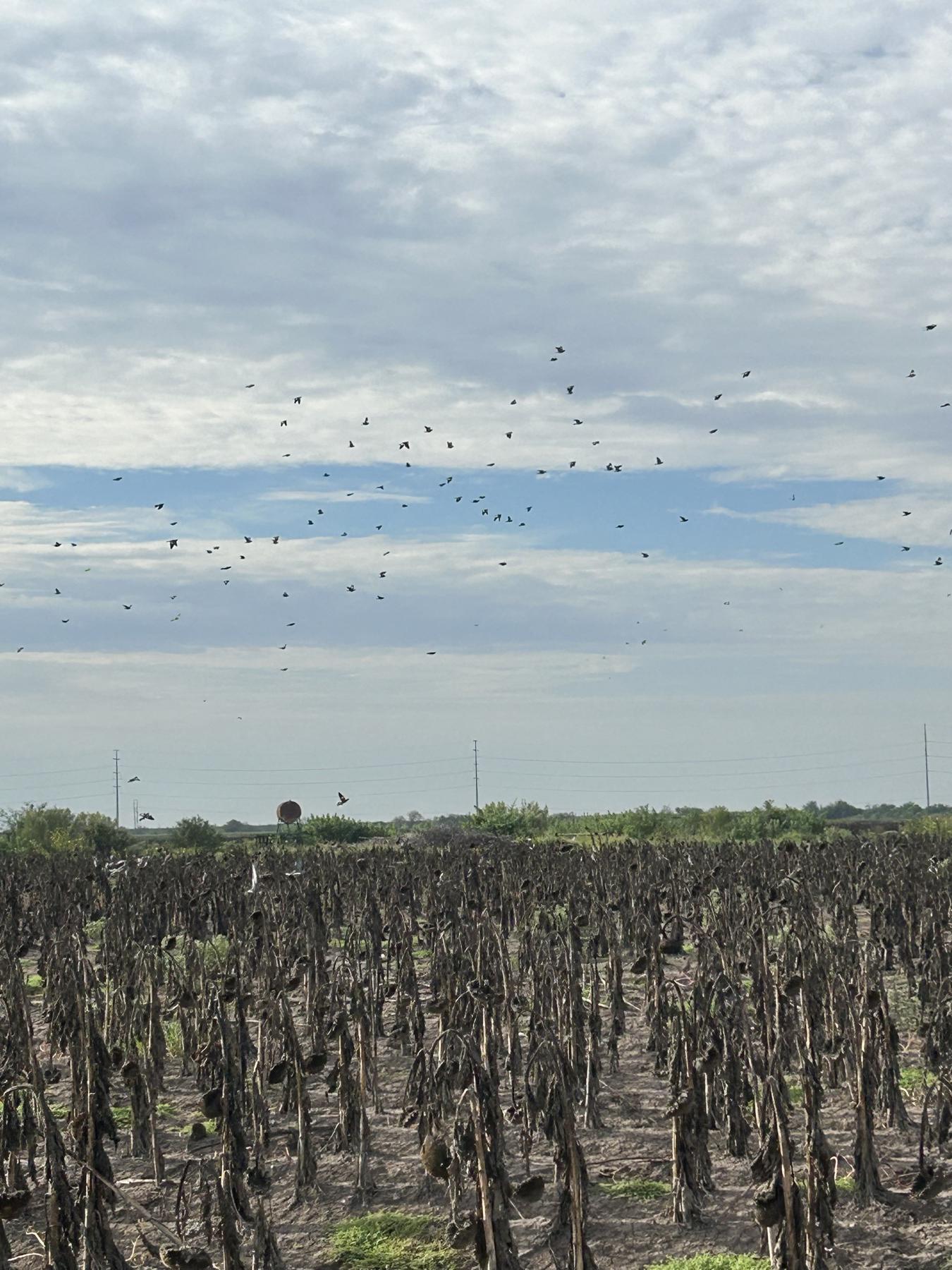
Why does the Rio Grande Valley hold so many white-wings?
White-winged dove are a subtropical bird, and deep South Texas is the northern heart of their range. The Valley's mix of citrus groves, mature urban trees, and native brush gives them roost habitat nothing else in Texas can match, while the surrounding farm country — sunflowers, milo, corn, and sesame — lays out a buffet within a short flight.
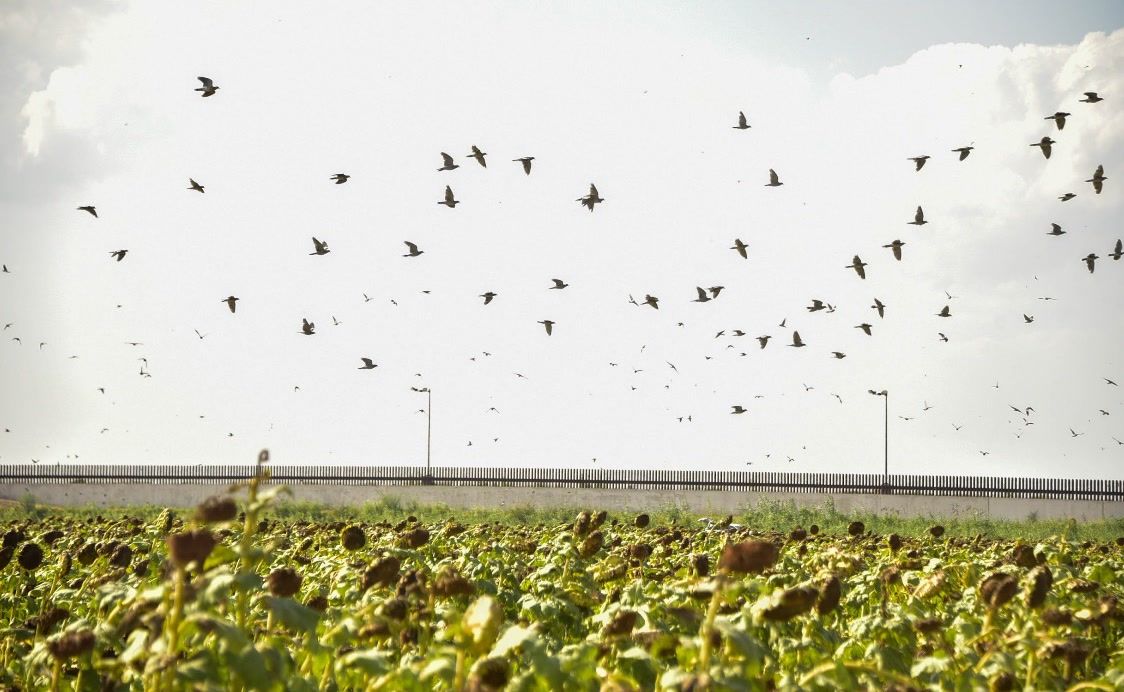
The result is a concentration of birds measured in the millions, stacked into a few counties along the river. When a feeding flight gets going over a managed field, it isn't a trickle of singles and pairs — it's wave after wave of fast, high-flying birds that will humble good shooters and hook first-timers for life.
What does a September white-wing hunt look like?
Mornings start in the dark. Hunters line the edge of a sunflower field under an active flight line, and as legal light arrives the first birds come off the roost — high, fast, and in numbers. The heaviest flights usually run the first two hours after sunrise, then again the last hour before sunset as birds return to roost.
White-wings fly harder and higher than mourning dove, and they come in flocks. Fifteen-bird limits happen fast when the field is right — which is exactly why field selection and management matter more than anything else in this game.
When is the best time to hunt white-wings in Texas?
The first two weeks of September, full stop. White-wings begin drifting south as fall approaches, so the early season is when the Valley's roosts are at maximum strength. With the South Zone now opening September 1, the 2026 season lines up with the peak of the flight for the first time.
That's also why opening-week dates book out first. If a September white-wing shoot is on your list, lock in dates early and build the trip around the opener.
Ready to see it for yourself? Book a hunt or check the 2026 season dates.